by Julius Henry | Oct 8, 2025 | Overgrowth & Landscaping, Tips & Guides
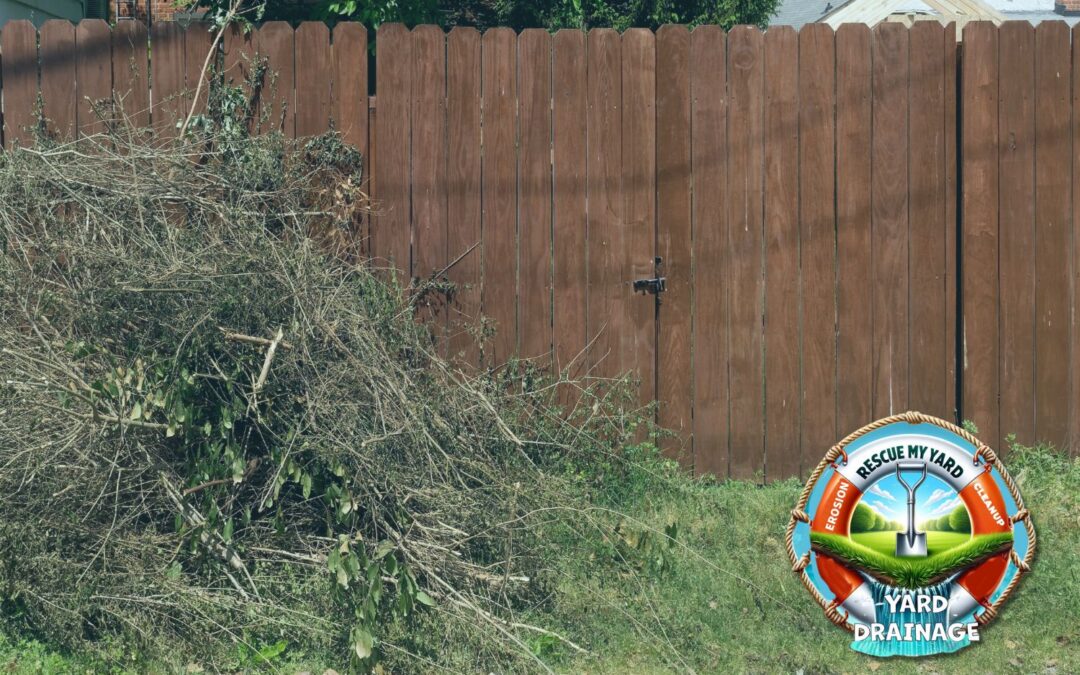
Keeping your yard clear of debris is about more than appearance. It affects the health of your grass, the safety of your property, and even how well your drainage system functions. In areas like Georgia, where storms and humidity are frequent, debris management becomes a year-round responsibility.
At Rescue My Yard, we see firsthand how small maintenance habits can prevent major cleanup jobs later. From trimming trees to managing storm runoff, there are reliable ways to keep your yard clean, functional, and safe through every season.
Why Yard Debris Is a Bigger Problem Than It Looks
Debris is more than a nuisance; it disrupts your yard’s natural drainage and balance. The Environmental Protection Agency (EPA) notes that yard waste makes up more than 12% of all municipal solid waste in the United States, much of which could be reused or composted if properly managed.
For homeowners, that means most debris does not just appear. It accumulates when simple yard care steps are skipped. Common issues include:
- Clogged drains and ditches that cause erosion or pooling water.
- Blocked sunlight weakens grass and plant roots.
- Pest habitats such as piles of leaves or branches, where insects and rodents hide.
- Fungal growth and mold, especially when organic matter stays damp.
Unattended debris also puts stress on landscaping systems like low-voltage lighting and drainage solutions, both of which are part of Rescue My Yard’s specialty services. Over time, these issues can lead to costly repairs.
| Type of Debris | Typical Source | Why It Matters for Your Yard |
|---|---|---|
| Leaves & Pine Needles | Heavy fall, storms, and wind | Trap moisture, block drains, and encourage mold or pests |
| Twigs & Small Branches | Thunderstorms and overgrown trees | Pile up around foundations or lighting, creating hazards |
| Grass Clippings | Frequent mowing or skipped cleanup | Smother grass, clog drains, and cause uneven growth |
| Soil & Sediment | Runoff from slopes or poor drainage | Leads to erosion, standing water, and drainage system backups |
| Mulch & Plant Waste | Garden maintenance and edging overflow | Collects near borders and restricts water flow if unmanaged |
| Storm Debris (leaves, litter, limbs) | Summer downpours and high winds | Blocks culverts, washes into lawns, and strains erosion systems |
1. Understand What Causes Yard Debris
Knowing where debris originates helps you stop it early. In most Georgia yards, buildup comes from three main sources:
- Storm activity: High winds and rain scatter leaves, twigs, and trash into corners and drains.
- Seasonal vegetation changes: Fall leaves and spring pollen create layers of natural waste.
- Maintenance routines: Over-mowing or trimming without cleanup leaves loose grass and branches behind.
Recognizing patterns allows you to schedule yard work and cleanup at the right times instead of reacting after every storm.
2. Trim and Maintain Landscaping Regularly
Preventing debris starts with regular upkeep. Overgrown trees, shrubs, and plants shed significantly more material during storms. We recommend pruning trees in late winter, before new growth appears, to minimize seasonal shedding.
Best ways to reduce debris with trimming:
- Trim trees and shrubs away from the roofline. This prevents branches from falling onto gutters and walkways.
- Remove dead growth. Weak limbs are more likely to break during wind events.
- Thin dense shrubs. This improves airflow and limits mold or mildew buildup underneath.
Trimming also gives your yard a cleaner appearance and improves visibility for lighting or security features.
3. Keep Gutters and Drainage Areas Clean
Blocked gutters are one of the biggest sources of yard debris accumulation. When they overflow, leaves and dirt wash directly into your lawn or landscape beds. Over time, this causes erosion and uneven soil levels.
Simple steps for better drainage:
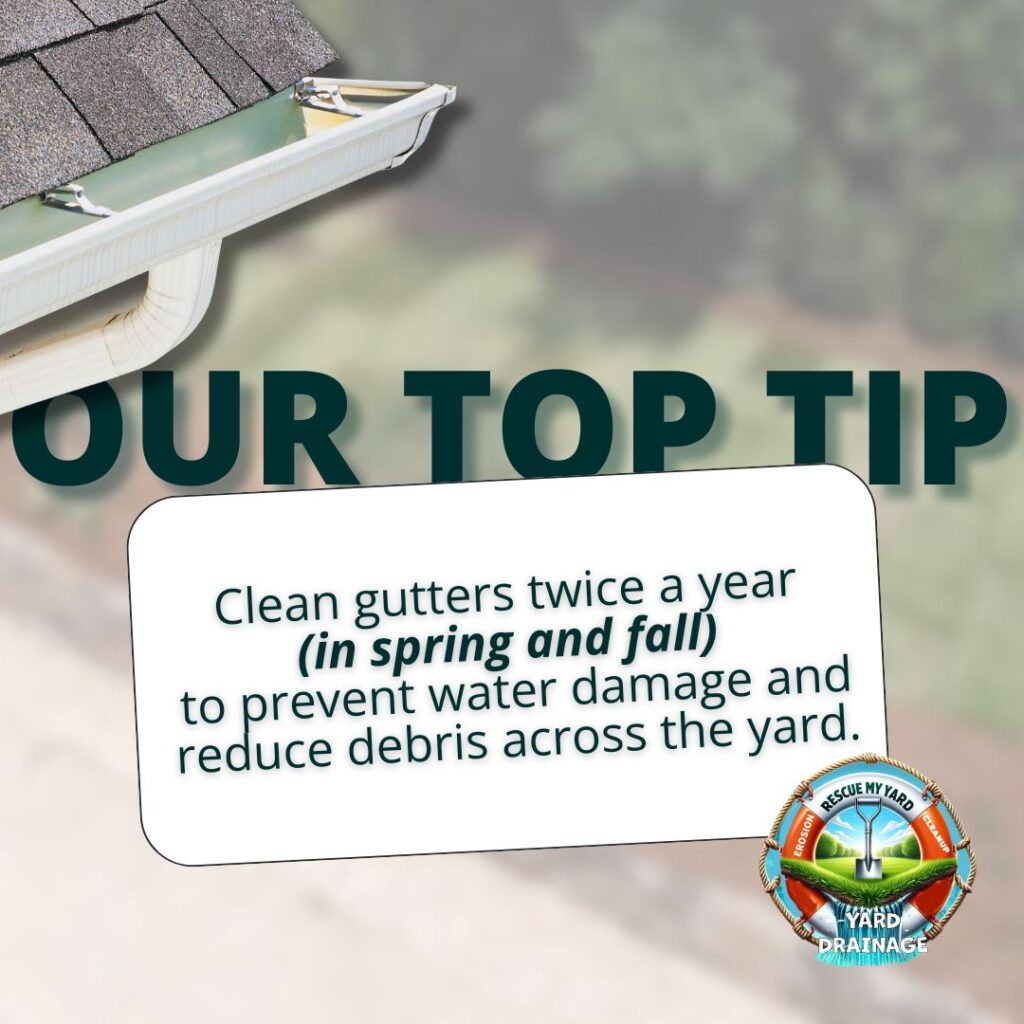
- Clean gutters at least twice per year, ideally in spring and fall.
- Use gutter guards or mesh screens to keep leaves out.
- Check downspout extensions to ensure they carry water at least five feet away from your foundation.
- Inspect French drains, catch basins, or dry creek beds for obstructions after major rainfall.
If your property’s drainage is outdated or easily overwhelmed, Rescue My Yard can design improved erosion and runoff control systems tailored to your landscape.
4. Manage Grass Clippings and Leaf Litter
Grass clippings and fallen leaves are useful when managed properly, but destructive when ignored. A single layer of wet leaves can smother turf and promote disease.
One recommended approach is mulching dry leaves instead of bagging them. Shredded leaves decompose faster and release nutrients back into the soil. However, avoid excessive buildup since thick layers can block water absorption.
Tips for handling clippings and leaves:
- Mow often enough that you’re only removing the top one-third of grass height.
- Leave small clippings to act as natural fertilizer.
- Use a blower or rake to remove heavy debris from driveways and drainage paths.
- Compost or mulch organic material for reuse around plants.
This approach keeps your yard clean and supports healthy growth without creating piles of waste.
5. Reinforce Drainage and Erosion Control Systems
Even well-maintained lawns can suffer from runoff and soil displacement. Erosion washes debris toward low areas, making it harder to keep the yard clear. Effective erosion control involves vegetation, grading, and proper drainage design.
Consider these upgrades:
- Install French drains or dry creek beds to direct stormwater away from high-traffic zones.
- Add gravel or river rock to erosion-prone slopes to slow water flow.
- Check grading near patios, sheds, and driveways to ensure water drains downhill and away from structures.
- Use native plants with deep roots to stabilize soil naturally.
Rescue My Yard’s erosion control services are designed to address both drainage function and appearance, ensuring your property looks polished while staying protected.
6. Schedule Seasonal Cleanups
| Season | Key Tasks |
| Spring | Remove fallen branches, rake leftover leaves, and inspect flower beds for winter damage. |
| Summer | Trim fast-growing shrubs, clear storm debris, and check for pests and water pooling. |
| Fall | Collect leaves promptly, clean gutters, and prepare drainage systems for heavy rain. |
| Winter | Prune dormant trees, secure outdoor items, and inspect lighting and irrigation lines. |
A quarterly cleanup plan keeps your yard neat while preventing drainage problems and pest infestations.
7. Use Lighting and Landscaping to Manage Debris Flow
Low-voltage lighting is not just aesthetic. It helps you spot problem areas. Illuminating pathways and yard edges makes debris easier to monitor, especially after storms or windy days.
Combine lighting with strategic landscaping:
- Install pathway lighting near gutters or drains to check for blockages at night.
- Keep mulch and gravel borders low enough to prevent runoff overflow.
- Avoid placing lights too close to dense shrubs where leaves collect.
Lighting upgrades from Rescue My Yard can improve visibility and reduce hidden debris accumulation, making ongoing maintenance easier.
8. Use Preventive Design
Especially if you’re already planning yard renovations: think long-term. Many drainage and debris issues stem from design oversights.
During landscape planning, consider:
- Slope direction: Water should flow away from the home.
- Hardscape placement: Patios or walkways should include small gaps for drainage.
- Ground cover materials: Choose options like river rock or pine straw that resist washout.
- Retaining walls: These control runoff on sloped properties and limit soil movement.
Planning for these details upfront helps prevent debris from accumulating in the first place.
9. Keep an Eye on Weather Patterns
In certain parts of Georgia, heavy rainfall is common, especially in spring and late summer. According to NOAA Climate Data (2024), the Atlanta-Conyers area averages over 50 inches of rain per year, which ranks above the national average.
Homeowners should:
- Clear debris before forecasted storms.
- Secure patio furniture and garden decor to prevent scattering.
- Inspect yard drains immediately after large storms to remove any clogging material.
Being proactive about weather reduces cleanup costs and helps you spot drainage issues early.
Hire a Professional Yard Clearer When Needed
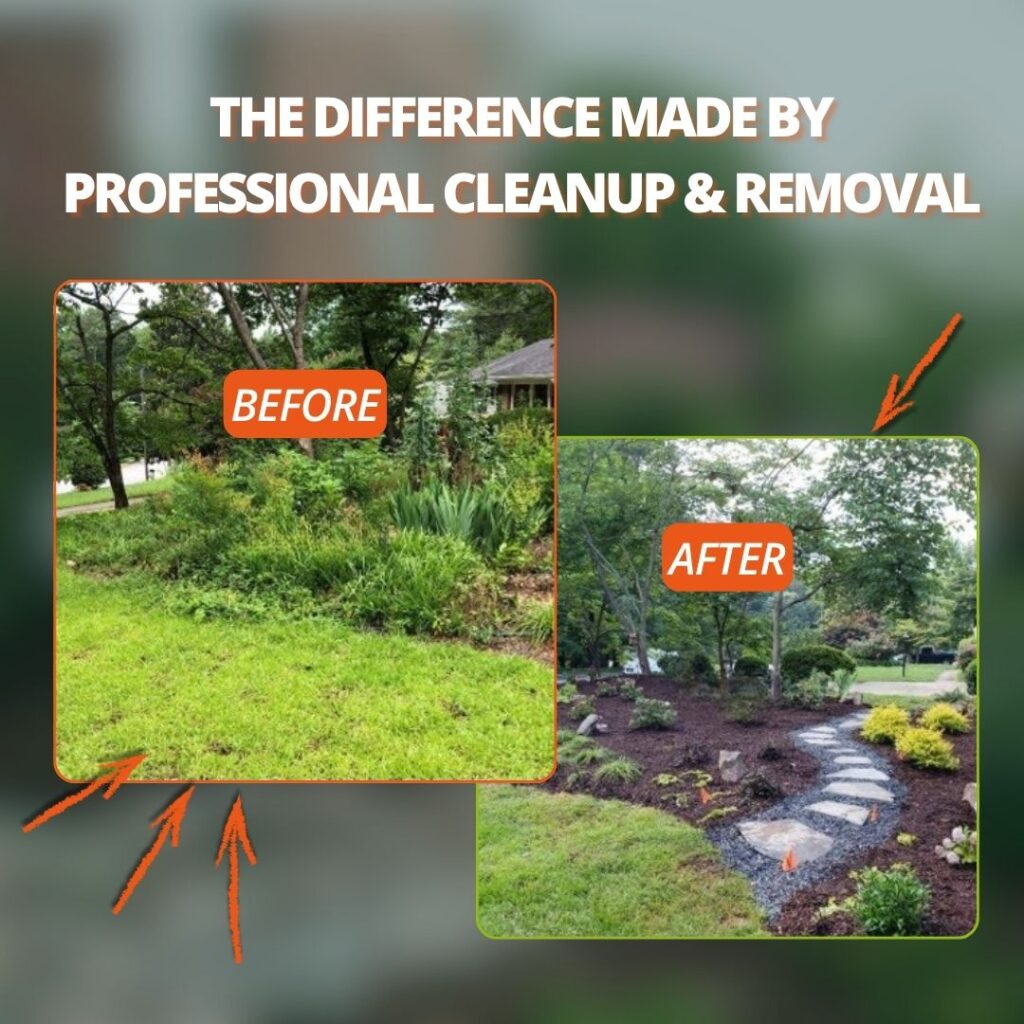
DIY maintenance goes a long way, but professional help can save time and protect your property from long-term damage. Professional cleanup teams like Rescue My Yard have the right tools to remove debris safely without harming your lawn or landscape systems.
Professional cleanup includes:
- Removal of heavy branches and storm waste.
- Clearing debris from drainage trenches and retaining walls.
- Power washing hard surfaces to remove soil or algae buildup.
- Inspection of lighting and irrigation lines for hidden blockages.
Hiring professionals once or twice a year ensures your outdoor systems continue to work as intended and your property remains safe.
Related Questions Homeowners Ask
Do I need professional help for erosion problems?
Yes. Minor ruts can be fixed with new soil or sod, but consistent erosion requires professional grading or drainage installation to protect your property long term.
Can lighting help with yard maintenance?
Absolutely. Proper lighting highlights problem spots like pooling water or leaf buildup so you can address them sooner.
What’s the best way to prepare my yard for storm season?
Trim overgrown branches, remove loose items, and make sure gutters and yard drains are clear. Help from Rescue My Yard can help confirm your systems are ready.
When to Call a Professional
If your yard floods easily, if drains overflow after storms, or if you see signs of erosion or dying grass, it’s time to call in help.
Rescue My Yard provides complete yard cleanup, erosion control, and drainage services throughout Georgia communities. Our experts can remove debris, correct runoff issues, and strengthen your landscape’s ability to stay clean and functional year-round.
A single inspection can prevent long-term structural damage, reduce maintenance costs, and keep your property looking its best.
Conclusion
Preventing debris is an investment in your home’s safety and appearance. With consistent cleanup, smart drainage planning, and professional support, you can maintain a healthy yard through every season.
For year-round debris prevention and cleanup services, contact Rescue My Yard. We’ll help you protect your property, manage erosion, and keep your outdoor spaces in top shape no matter what the weather brings.